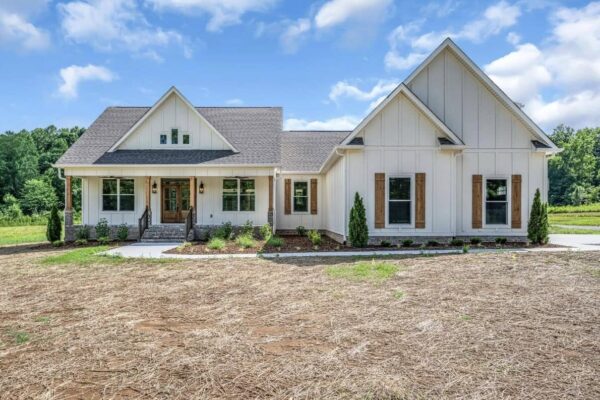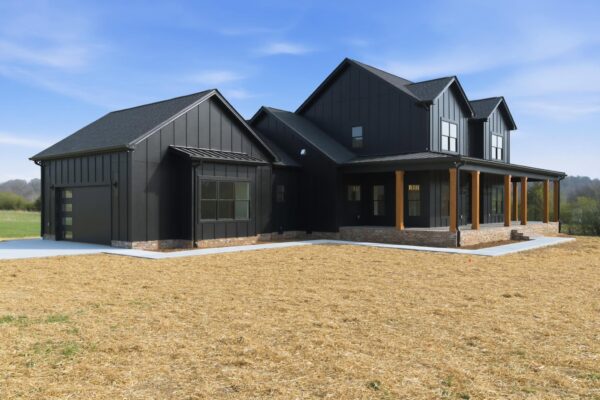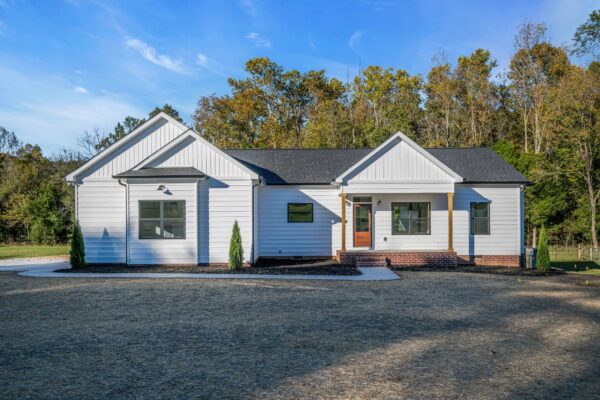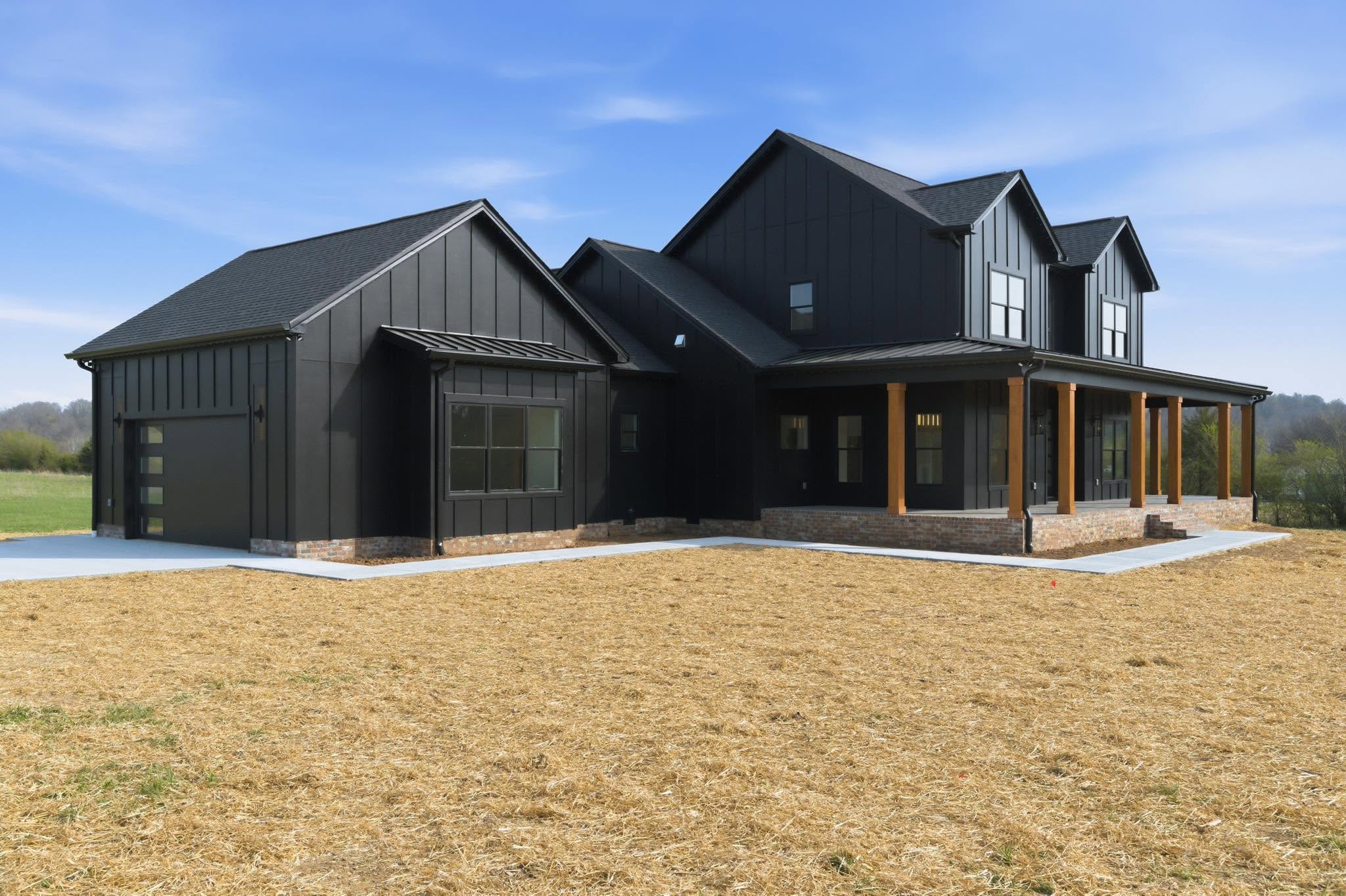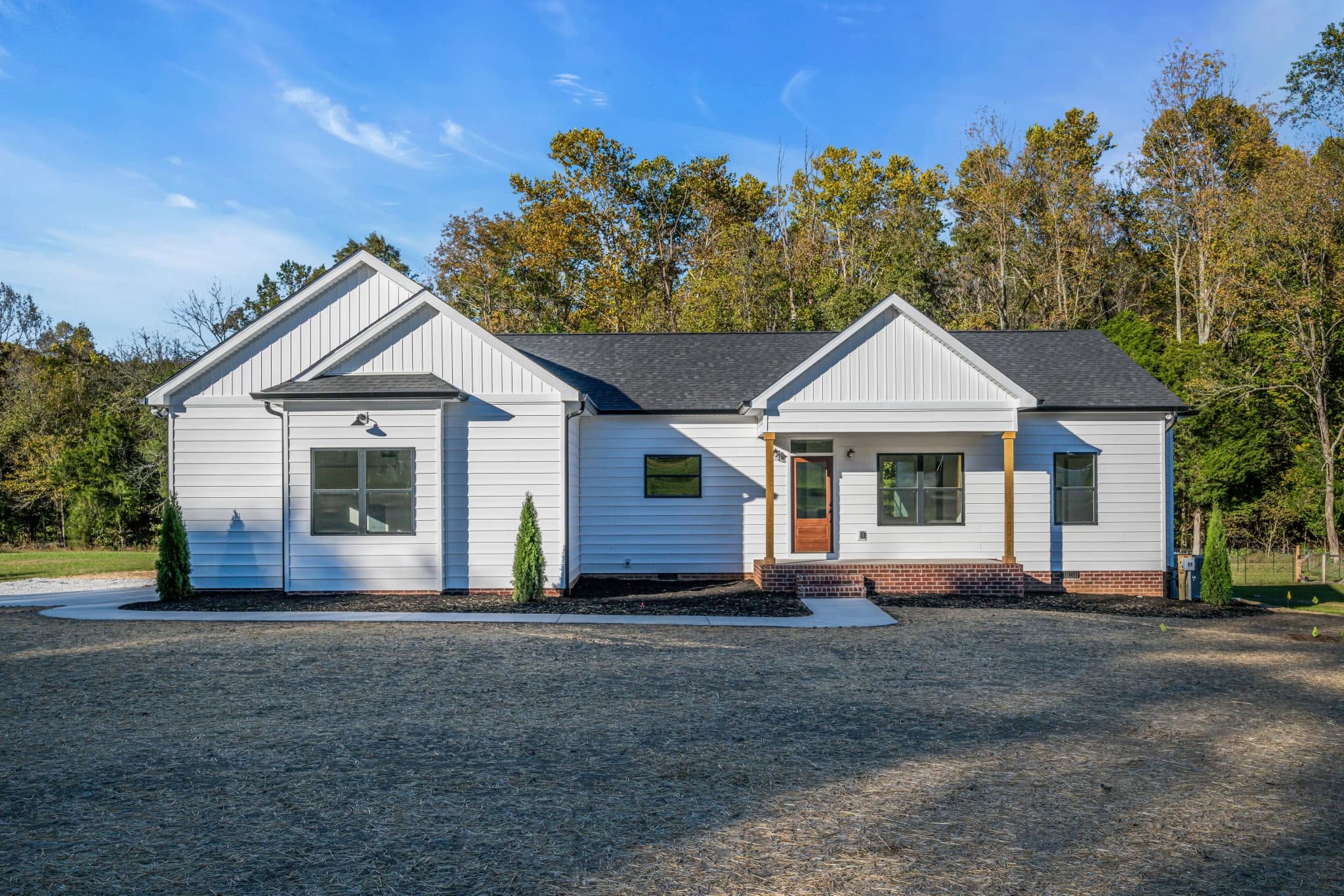
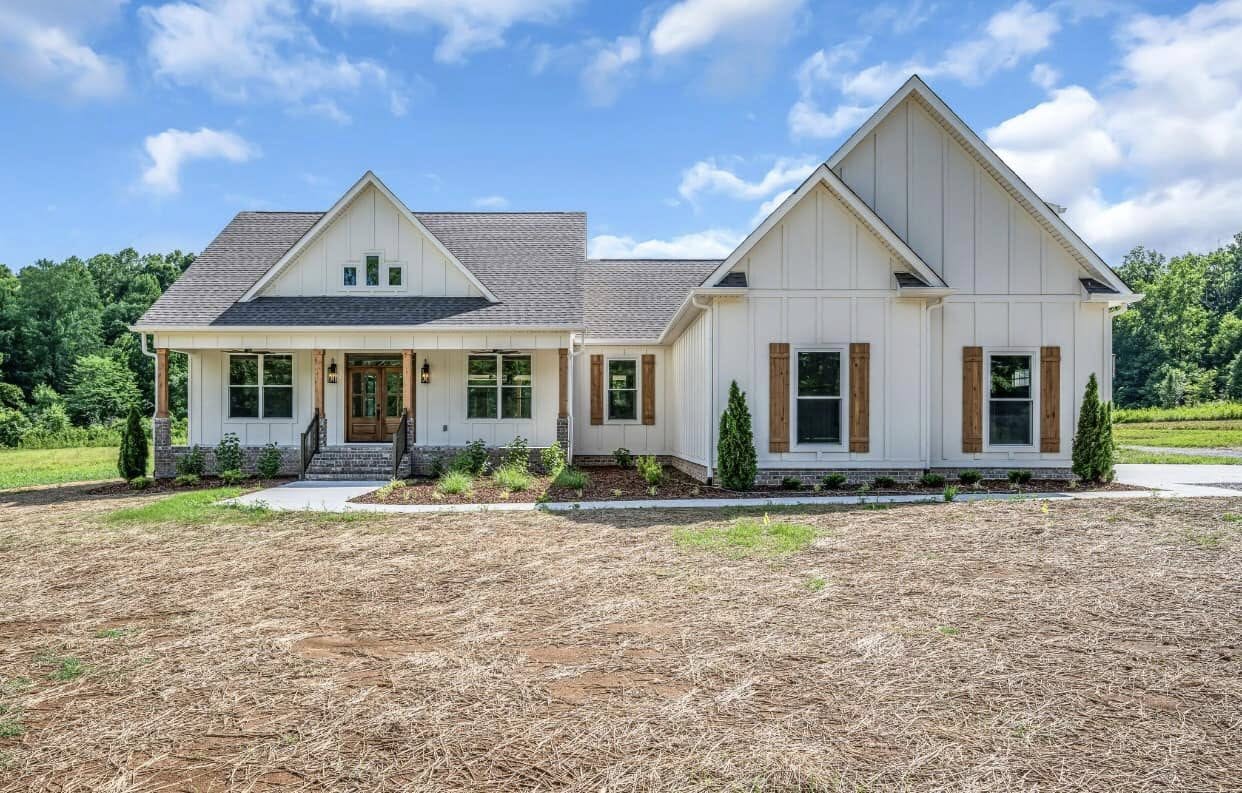
Building a custom home gives you the opportunity to create a space that’s designed around your family’s lifestyle, priorities, and future. From choosing the floor plan to selecting finishes, every decision helps shape a home that’s uniquely yours.
When planning a new home, most homeowners focus on the construction cost itself. They compare floor plans, estimate square footage, and begin choosing finishes. What many don’t realize is that several important expenses fall outside the base cost of the home.
These “hidden costs” aren’t unexpected because they’re unusual. They’re simply expenses that first-time custom home buyers often don’t think about until the project is already underway.
Understanding these costs before you break ground helps you create a more realistic budget, reduces financial stress, and allows you to make confident decisions throughout the building process.
At Grantham Builders, we’re here to help. Here’s a closer look at the most common hidden costs of building a custom home in Middle Tennessee.
1. Site Preparation Costs Can Vary More Than You Think
Every custom home begins with the land, and no two lots are exactly alike. Even if you’ve already purchased your property, work may be necessary before construction can begin.
Site preparation often includes:
- Clearing trees and brush
- Removing stumps or large rocks
- Grading the property
- Excavation
- Soil stabilization if necessary
- Creating a level building pad
A flat, open lot requires less preparation than a heavily wooded property or one with significant elevation changes. Drainage also plays an important role. Some lots require additional grading or drainage solutions to help protect the home’s foundation long term.
While these improvements may not be as exciting as choosing kitchen cabinets or flooring, they’re essential to creating a stable foundation for your new home.
Budget Tip: Before purchasing land—or as early as possible after buying it—ask your builder to evaluate the property. Identifying potential site work early helps you avoid unexpected costs later in the project.
2. Utility Connections Often Depend on the Property
If you’re building within an established neighborhood, utility connections may already be nearby. On rural properties, however, bringing utilities to your home can be pricey.
Depending on the location, you may need to plan for:
- Electrical service
- Water lines or a private well
- Septic system installation
- Natural gas connections, if available
- Internet and communication services
The distance between your home and existing utility infrastructure impacts installation costs. For example, extending electrical service up a long driveway or installing a well and septic system requires additional planning and investment.
These costs vary widely from one property to another, making it important to understand your specific site’s requirements before construction begins.
Budget Tip: Discuss utility availability with your builder early in the planning process so you understand what will be required for your lot.
3. Driveways and Property Access Are Easy to Overlook
When people imagine their future home, they picture the house itself—not the driveway leading to it.
However, every home needs safe and reliable access, and creating that access can involve more than pouring concrete.
Depending on your property, you may need:
- A gravel or concrete driveway
- Culverts
- Drainage improvements
- Additional grading
- Retaining walls
- Temporary construction access
Long driveways are common throughout Middle Tennessee, especially on larger rural properties. While they add privacy and curb appeal, they also require more materials and labor.
Planning for driveway construction early ensures it fits comfortably within your overall budget.
Budget Tip: If you plan to install a basic driveway initially and upgrade it later, discuss that option with your builder during the planning phase.
4. Landscaping Is More Than Planting Flowers
Once your home is complete, you’ll want the exterior to look just as polished as the interior.
Unfortunately, many homeowners underestimate how much work goes into finishing the property after construction.
Be prepared for these landscaping expenses:
- Final grading
- Sod or grass seed
- Trees and shrubs
- Mulch
- Irrigation systems
- Decorative landscape beds
- Retaining walls
- Walkways
In addition to giving your new home a finished appearance, landscaping helps control erosion and improves drainage. In other words, it’s an essential part of building a home.
Some homeowners choose to complete landscaping in stages, while others include everything as part of their initial project.
Budget Tip: Decide early which landscaping items are priorities and which can wait until after you’ve settled into your new home.
5. Permits, Inspections, and Local Fees Add Up
Every custom home must comply with local building requirements.
Depending on where you’re building in Middle Tennessee, your project may require several permits and inspections throughout construction.
Potential expenses include:
- Building permits
- Septic permits
- Utility permits
- Inspections
- Development or impact fees where applicable
While these costs are a standard part of construction, many homeowners don’t account for them when creating their initial budget.
A good building will explain which fees apply to your project and how they’re handled during construction.
Budget Tip: Ask for a detailed breakdown of required permits and local fees before construction begins to avoid surprises.
6. Interior Upgrades Can Get Expensive Fast
One of the biggest advantages of building a custom home is having the freedom to personalize every space.
That freedom also creates opportunities to spend more than originally planned.
Many homeowners upgrade:
- Cabinet styles
- Countertop materials
- Flooring
- Appliances
- Plumbing fixtures
- Lighting
- Trim details
- Fireplace features
Individually, these upgrades may seem manageable. Collectively, they can eat up a huge portion of your overall budget.
That doesn’t mean you shouldn’t personalize your home. Instead, prioritize the features that matter most to your family while remaining flexible on items that you can upgrade later.
Budget Tip: Separate your wish list into “must-haves” and “nice-to-haves” before making final selections.
7. Outdoor Living Spaces Often Become Future Priorities
Today’s homeowners spend more time outdoors than ever before.
Covered patios, outdoor kitchens, fire pits, and entertaining areas continue to grow in popularity, but they’re often forgotten during the initial budgeting process.
Popular additions include:
- Covered porches
- Outdoor fireplaces
- Patios
- Decks
- Pergolas
- Outdoor kitchens
- Fencing
Even if you don’t plan to build these features immediately, thinking about them during the design stage can make future additions easier.
For example, your builder may be able to plan utility locations or concrete layouts that accommodate future improvements.
Budget Tip: Think about your long-term vision for the property, not just what you’ll build on day one.
8. Furnishing a New Home Is a Significant Investment
A beautiful new home often inspires homeowners to replace furniture that no longer fits their new space.
After move-in, many families purchase:
- Living room furniture
- Bedroom furniture
- Dining sets
- Area rugs
- Window treatments
- Home office furniture
- Storage solutions
- Decorative accessories
Larger rooms sometimes require additional furniture, while taller windows may need custom treatments.
Although these purchases happen after construction, they’re still part of the overall investment of building a custom home.
Budget Tip: Set aside a furnishing budget to ensure you’ll be able to get everything you need.
9. Don’t Forget About Moving Costs
Moving into a custom home involves more than hiring a moving truck.
Additional expenses may include:
- Professional movers
- Packing supplies
- Temporary storage
- Utility transfers
- Deep cleaning
- Appliance installation
If your construction timeline changes, you may also need temporary housing or storage between homes.
Planning for these possibilities helps reduce stress while keeping your budget on track.
Budget Tip: Build a small moving budget into your overall financial plan, even if you’re handling much of the move yourself.
10. A Contingency Fund Gives You Flexibility
No matter how carefully you plan, unexpected expenses can arise during any construction project.
Weather delays, site conditions, or changes in product availability may affect costs. You may also decide to add a feature after seeing the home come together.
Creating a contingency fund from the beginning makes these changes more manageable.
A contingency fund provides flexibility if:
- Site conditions change
- Material selections change
- You upgrade finishes
- Small design modifications occur
Financial breathing room makes the entire building experience less stressful and helps you make decisions based on what’s best for your home instead of what fits the remaining budget.
Budget Tip: Set aside a contingency fund before construction begins and treat it as part of your overall budget—not as extra spending money. If you don’t need to use it, that’s a bonus.
What Costs Are Usually Included in a Builder’s Estimate?
Asking your builder exactly what’s included in your estimate is one of the best ways to avoid confusion.
While every builder is different, a construction estimate often covers the primary costs associated with building the home itself. Certain site-specific expenses, utility work, landscaping, or owner-selected upgrades may be handled separately.
That’s why clear communication matters.
Working with an experienced custom home builder means you’ll have honest conversations about what’s included, what may vary based on your property, and which decisions could affect your overall investment.
The more questions you ask before construction begins, the smoother the process tends to be.
Tips for Staying on Budget During Your Custom Home Build
A well-planned budget doesn’t mean choosing the least expensive options. It means making informed decisions from the start.
To keep your project on track:
- Work with an experienced custom home builder.
- Finalize as many selections as possible before construction begins.
- Prioritize the features that matter most.
- Leave room in your budget for unexpected expenses.
- Review your estimate carefully and ask questions about anything that’s unclear.
- Avoid making frequent changes after construction is underway.
Planning ahead allows you to enjoy the building process instead of worrying about every financial decision.
Frequently Asked Questions
What are the most overlooked costs of building a custom home?
Site preparation, utility connections, landscaping, driveway construction, furnishings, and moving expenses are among the costs homeowners most commonly overlook.
Does the construction cost include utility connections?
Not always. Utility costs often depend on the location of your property and the availability of existing services.
Can my builder help estimate site preparation costs?
Yes. An experienced builder can evaluate your property, identify potential challenges, and explain what site work may be needed before construction begins.
How can I avoid surprise costs when building a custom home?
Choose a builder who communicates clearly, review your estimate carefully, ask questions throughout the planning process, and include a contingency fund in your budget.
Build Your Custom Home with Confidence
Building a custom home is a big investment, but careful planning makes the experience much more enjoyable. Understanding the hidden costs helps you create a realistic budget, avoid unnecessary surprises, and make informed decisions from the beginning.
At Grantham Builders, we believe transparency is an important part of every successful project. Our team works closely with homeowners throughout Middle Tennessee to explain the building process, answer questions, and provide clear expectations every step of the way.
If you’re ready to start planning your custom home, contact Grantham Builders today. We’d be happy to discuss your vision and help you create a home that’s built for your family.